Surface Preservation for Commercial Asphalt
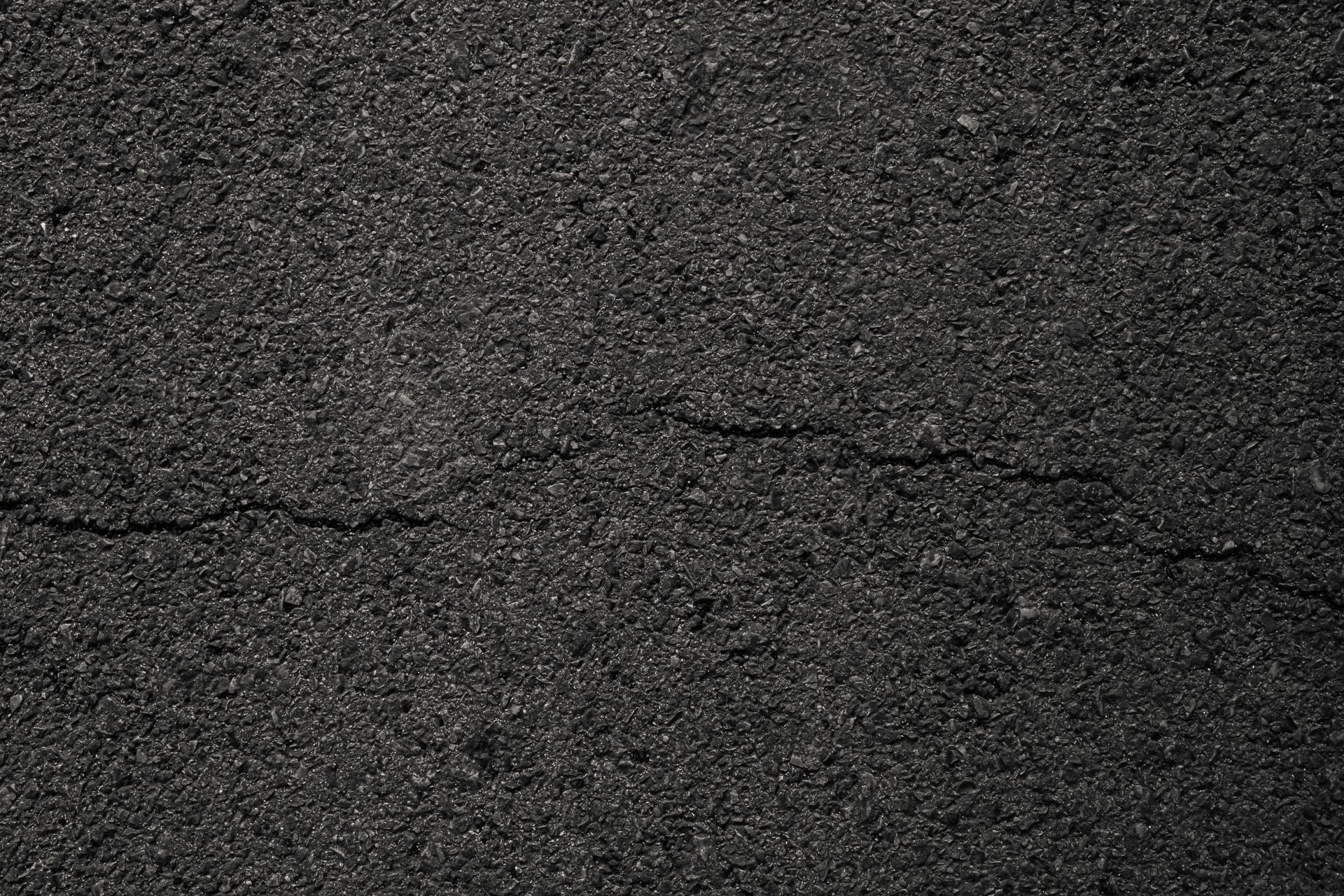
Asphalt Repair & Maintenance in El Paso for parking lots and driveways showing cracks, potholes, and surface deterioration
Asphalt degrades predictably under El Paso's thermal cycling and UV exposure, beginning with surface oxidation that makes the pavement brittle and progressing to crack formation when the inflexible asphalt cannot accommodate substrate movement. Cracks allow water infiltration that undermines the base, creating voids where the unsupported surface collapses into potholes under vehicle loads. National Contracting Epoxy & Coatings addresses these failure patterns through crack sealing that prevents water intrusion, patching that restores structural support, and maintenance programs that extend pavement lifespan before costly replacement becomes necessary.
Repair begins with damage assessment that identifies whether cracks result from surface shrinkage or base failure, which determines if sealing alone will suffice or if excavation and patching are required to address subsurface problems. Crack sealing uses rubberized materials that flex with temperature changes rather than rigid fillers that separate and allow water back in. Pothole patching involves removing loose asphalt, cleaning the cavity, and filling with hot-mix or cold-patch material that compacts to match the surrounding surface level.
Request a maintenance estimate that evaluates current damage and outlines a preservation plan for your asphalt surfaces.
What Timely Maintenance Prevents
Sealed cracks stop water from reaching the base layer where freeze-thaw cycles and erosion create the subsurface voids that lead to pavement collapse. The flexible sealant accommodates thermal expansion and contraction that would crack rigid repair materials, maintaining a watertight barrier across seasonal temperature swings. Patched areas restore load-bearing capacity so vehicle traffic distributes evenly instead of concentrating stress at damaged edges where additional cracking propagates outward.
Property owners notice smoother driving surfaces without the jarring impacts from potholes and the tire damage they cause, reducing customer complaints and liability exposure in commercial lots. Water no longer pools in depressions where failed asphalt has settled, improving drainage and eliminating standing water that accelerates pavement deterioration and creates slip hazards during winter freezes. The repaired surface presents a maintained appearance that supports property value instead of the neglected look of cracked, potholed pavement.
Maintenance intervals depend on traffic loads and exposure, with high-use commercial lots requiring annual crack sealing to stay ahead of damage that would otherwise require patching within two years. Sealcoating support extends surface life by replenishing the petroleum binders that UV exposure oxidizes out of the asphalt, slowing the brittleness that leads to cracking. Preventative maintenance costs a fraction of full-depth reconstruction and defers replacement for years when applied before damage reaches the base layer.
Questions Before Starting Repairs
Facility managers and property owners often want to understand what repairs are needed now versus later and how to prevent accelerated pavement failure.
What determines if cracks should be sealed or if patching is required?
Crack width and depth dictate the approach—narrow surface cracks seal effectively, but wide cracks or those with edge collapse indicate base failure requiring excavation and structural patching.
How does crack sealing prevent potholes from forming?
Sealed cracks block water infiltration that softens the base and creates voids, preventing the subsurface erosion that causes asphalt to collapse into holes when vehicle loads exceed the unsupported surface's capacity.
When should asphalt repairs be scheduled in El Paso?
Repairs require dry conditions and temperatures above 50 degrees for materials to bond and cure properly, making spring and fall ideal while avoiding summer heat that can make fresh asphalt too soft.
Why do some patched potholes fail again within months?
Inadequate base repair that does not address the void beneath the patch allows continued settlement, and poor compaction or weak patch materials create repairs that ravel and separate under traffic loads.
What maintenance extends asphalt lifespan between repairs?
Routine sweeping removes abrasive debris, prompt crack sealing prevents water damage, and periodic sealcoating protects against UV oxidation that makes the surface brittle and prone to cracking.
National Contracting Epoxy & Coatings assesses pavement condition to identify repairs that address current damage and prevent progression to more extensive failure requiring reconstruction. Schedule an asphalt evaluation to develop a preservation strategy for your parking area or driveway.