Compliant Layouts and Safety Markings
Parking Lot Striping in El Paso for commercial properties requiring ADA compliance and traffic flow management
Faded or missing striping creates liability exposure and operational confusion in commercial parking areas where vehicle and pedestrian traffic intersect. National Contracting Epoxy & Coatings applies durable striping materials that meet ADA standards for accessible parking spaces, fire lane markings, and directional arrows that control traffic flow through the lot. Properly laid out striping maximizes usable spaces within the available area while maintaining the clearances and dimensions required by accessibility regulations and local fire codes.
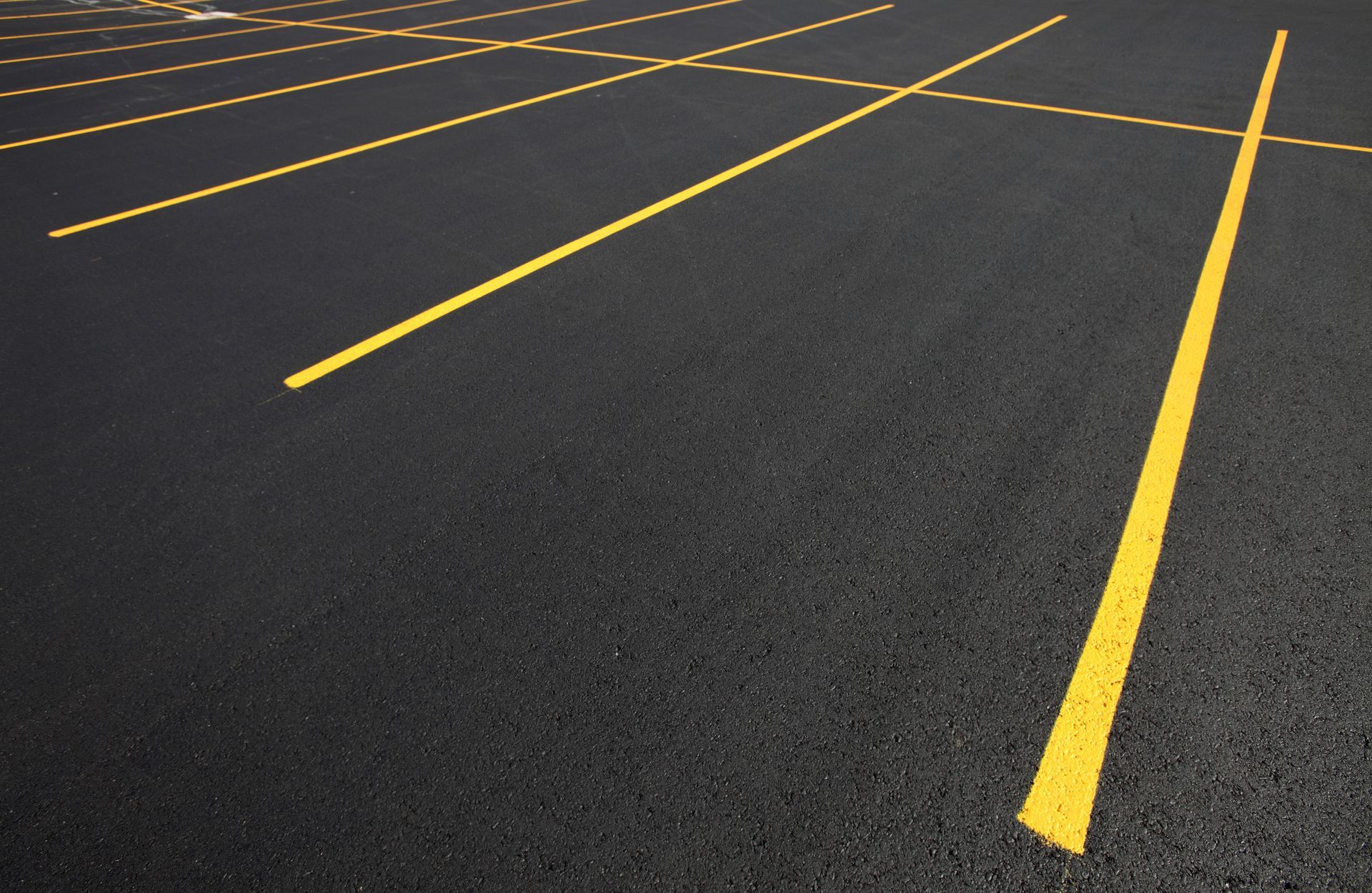
The striping process involves layout planning that accounts for turning radii, parking angles, and accessible routes from designated spaces to building entrances. Surface preparation removes dirt and loose asphalt that would prevent paint adhesion, and previous markings are either removed or incorporated into the new layout. Thermoplastic or high-durability paint is applied using equipment that produces crisp, uniform lines with consistent width and reflectivity for nighttime visibility.
Submit a bid request that includes lot dimensions and current layout concerns so we can provide accurate material and labor estimates.
Why Proper Striping Requires Planning and Standards
Striping layout determines how many functional parking spaces fit within the lot footprint while meeting the geometric requirements for accessible spaces, van-accessible aisles, and approach angles that allow vehicles to enter and exit without encroaching on adjacent spaces. ADA-compliant striping includes specific dimensions for access aisles, slopes that cannot exceed certain grades, and signage placement that meets federal standards. Fire lane striping uses red paint or curbing with specific width and clearance requirements that allow emergency vehicle access.
Once striping is complete, drivers follow clear directional cues that reduce circulation confusion and prevent wrong-way travel through one-way aisles. Pedestrian crosswalks become visible, creating defined paths that separate foot traffic from vehicle movement. Handicap spaces are marked with the required International Symbol of Access and positioned closest to accessible entrances, meeting legal requirements that prevent discrimination complaints and citation during inspections.
Warehouse facilities benefit from interior safety striping that designates forklift lanes, pedestrian walkways, loading zones, and hazard areas using color-coded standards recognized across industries. Re-striping services address wear patterns in high-traffic zones without redoing the entire lot, extending the functional life of the layout. New construction or lot expansion requires layout design that integrates with existing circulation patterns and complies with updated code requirements that may have changed since the original striping was installed.
What Property Owners Usually Ask
Commercial property managers and business owners commonly have questions about compliance, material durability, and how often striping needs refreshing under El Paso conditions.
What makes parking striping ADA-compliant versus standard layout?
Accessible spaces require minimum widths, adjacent access aisles with specific dimensions, slopes that do not exceed allowable grades, and signage placement that meets federal visibility and mounting height standards.
How long does parking lot striping last in high-traffic commercial lots?
Paint durability depends on traffic volume and surface quality, with typical striping lasting one to three years before fading requires reapplication, though thermoplastic materials last significantly longer in heavy-use areas.
When should a parking lot layout be redesigned versus just repainted?
Layout changes are needed when space utilization is poor, traffic flow creates bottlenecks, or code updates require additional accessible spaces or fire lane access that the current design does not accommodate.
Why do fire lanes require specific striping and signage?
Fire codes mandate clear access for emergency vehicles, requiring painted curbs or surface markings with minimum widths and no-parking enforcement signage to prevent obstructions during emergency response.
What surface preparation ensures striping adheres properly in El Paso parking lots?
Clean, dry asphalt free of oils, dirt, and loose aggregate allows paint to bond chemically rather than sitting on top as a layer that peels away under tire friction and thermal expansion.
National Contracting Epoxy & Coatings reviews your parking area to identify compliance gaps, wear patterns requiring attention, and layout improvements that increase capacity or safety. Request a lot evaluation to address striping and marking needs specific to your property.