Floors That Handle Real Workshop Use
Epoxy Flooring in El Paso for surfaces exposed to chemical spills, heavy equipment, and constant foot traffic
National Contracting Epoxy & Coatings installs residential and commercial epoxy systems designed to withstand conditions that degrade standard concrete. Proper concrete preparation methods remove surface contaminants and open the pore structure, allowing the epoxy to bond mechanically rather than just sitting on top. Properties with workshop environments, manufacturing areas, or high-traffic commercial zones require flooring that resists both impact and chemical exposure without breaking down.
The service involves surface profiling to create the texture needed for adhesion, followed by the application of industrial-grade coatings formulated for durability and chemical resistance. Anti-slip options integrate aggregate materials into the topcoat, providing traction even when the surface is wet or contaminated with oils. El Paso's dry climate accelerates curing times but also requires humidity control during installation to prevent surface defects.
Request a free estimate that includes surface evaluation and preparation requirements for your specific floor conditions.
What Proper Epoxy Installation Requires
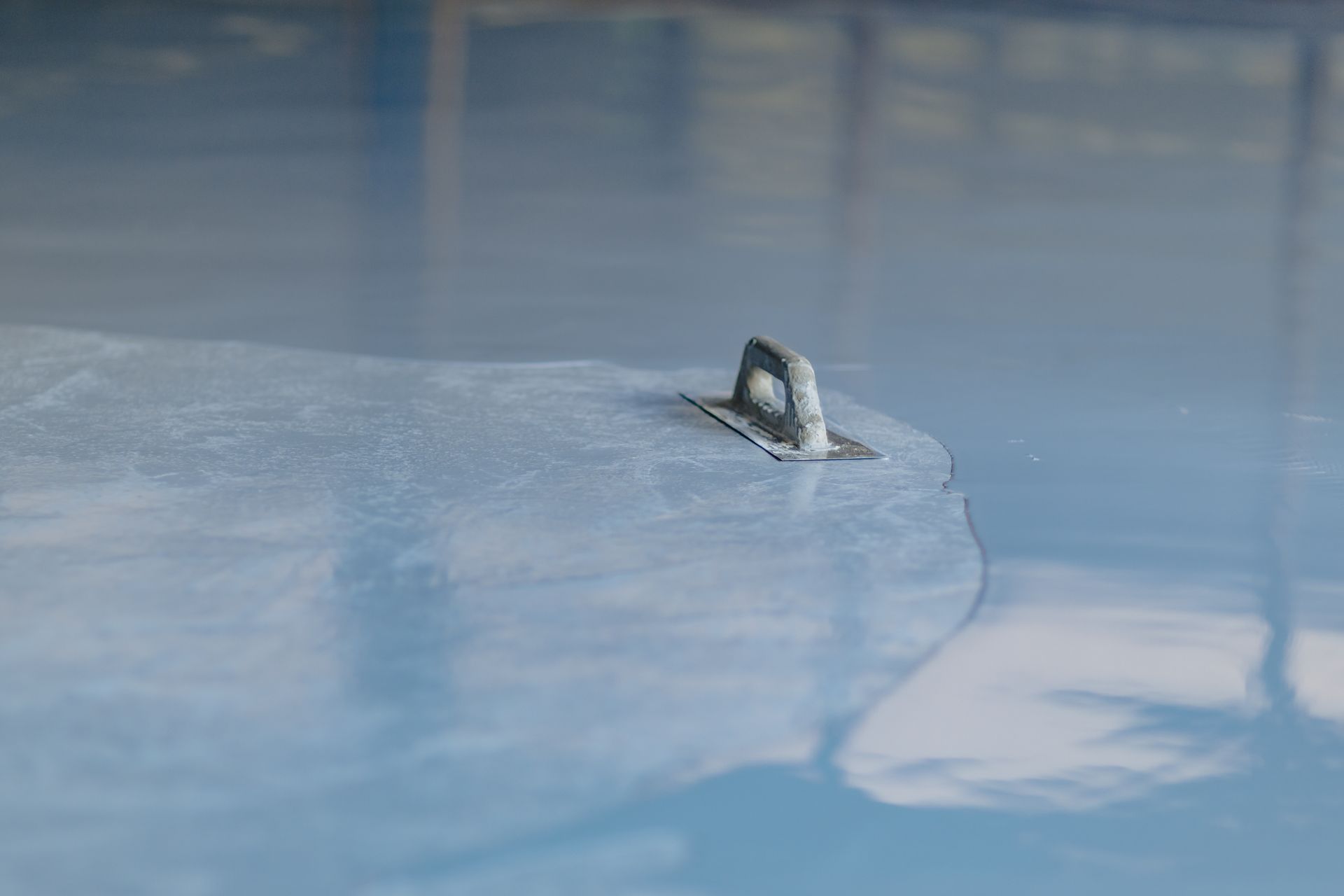
Surface preparation determines whether the coating lasts years or fails within months. Grinding removes weak concrete layers and contaminants like oil, paint, or previous sealers that prevent bonding. If the concrete has cracks or spalling, those areas are repaired with epoxy filler before the base coat is applied, ensuring the entire surface cures as a unified system rather than separating at weak points.
After the system cures, the floor resists staining from automotive fluids, cleaning chemicals, and other substances that would penetrate bare concrete. The surface remains intact under dropped tools, rolling equipment, and thermal cycling from vehicles. You can clean the floor with standard detergents without degrading the coating, and the non-porous finish prevents moisture from wicking up through the slab.
Industrial-grade systems differ from retail kits in resin quality, thickness, and the number of coats applied. A properly installed epoxy floor includes a primer coat that seals the concrete, a base coat that provides thickness and strength, and a topcoat that delivers UV stability and abrasion resistance. The choice between clear or pigmented systems depends on whether you want the concrete substrate visible or a uniform color.
What Property Owners Usually Ask
El Paso property owners often have questions about durability, preparation, and what makes epoxy suitable for their specific conditions.
What makes epoxy flooring more durable than paint or sealers?
Epoxy creates a chemical bond with prepared concrete and cures into a rigid plastic layer that's typically 10 to 20 times thicker than paint, which only sits on the surface and wears through quickly under traffic.
How does concrete preparation affect the final result?
Grinding the surface to a specific profile removes weak material and opens pores so the epoxy penetrates and locks into the substrate, preventing delamination that occurs when coatings are applied over smooth or contaminated concrete.
When should I avoid scheduling an epoxy installation?
Avoid periods of high humidity or when the concrete temperature falls outside the resin's curing range, as improper environmental conditions cause surface defects like bubbling, slow hardening, or adhesion failure.
What does chemical resistance actually mean for a garage or workshop floor?
The cured epoxy resists penetration from gasoline, brake fluid, battery acid, and household cleaners, preventing the staining and surface degradation that occurs when these substances soak into bare concrete.
Why do some epoxy floors stay glossy while others dull over time?
UV-stable topcoats in industrial systems maintain gloss and color, while lower-grade formulations yellow and chalk when exposed to sunlight or certain chemicals.
National Contracting Epoxy & Coatings provides detailed assessments of existing concrete conditions before installation. Schedule a consultation to review surface preparation requirements and coating options that match your usage patterns.