Long-Term Protection for Concrete Surfaces
Concrete Sealing & Resealing in El Paso for driveways, patios, and commercial slabs requiring moisture and UV defense
Concrete sealing addresses the porosity that allows water, salts, and UV radiation to penetrate the surface and cause progressive deterioration. National Contracting Epoxy & Coatings applies penetrating sealers that chemically react with concrete to form a water-repellent barrier within the substrate, or topical sealers that create a protective film on the surface. El Paso's intense sun exposure and periodic moisture from monsoon rains create cycles of wetting and drying that accelerate surface breakdown when concrete remains unsealed, leading to scaling, spalling, and color loss within the first few years after installation.
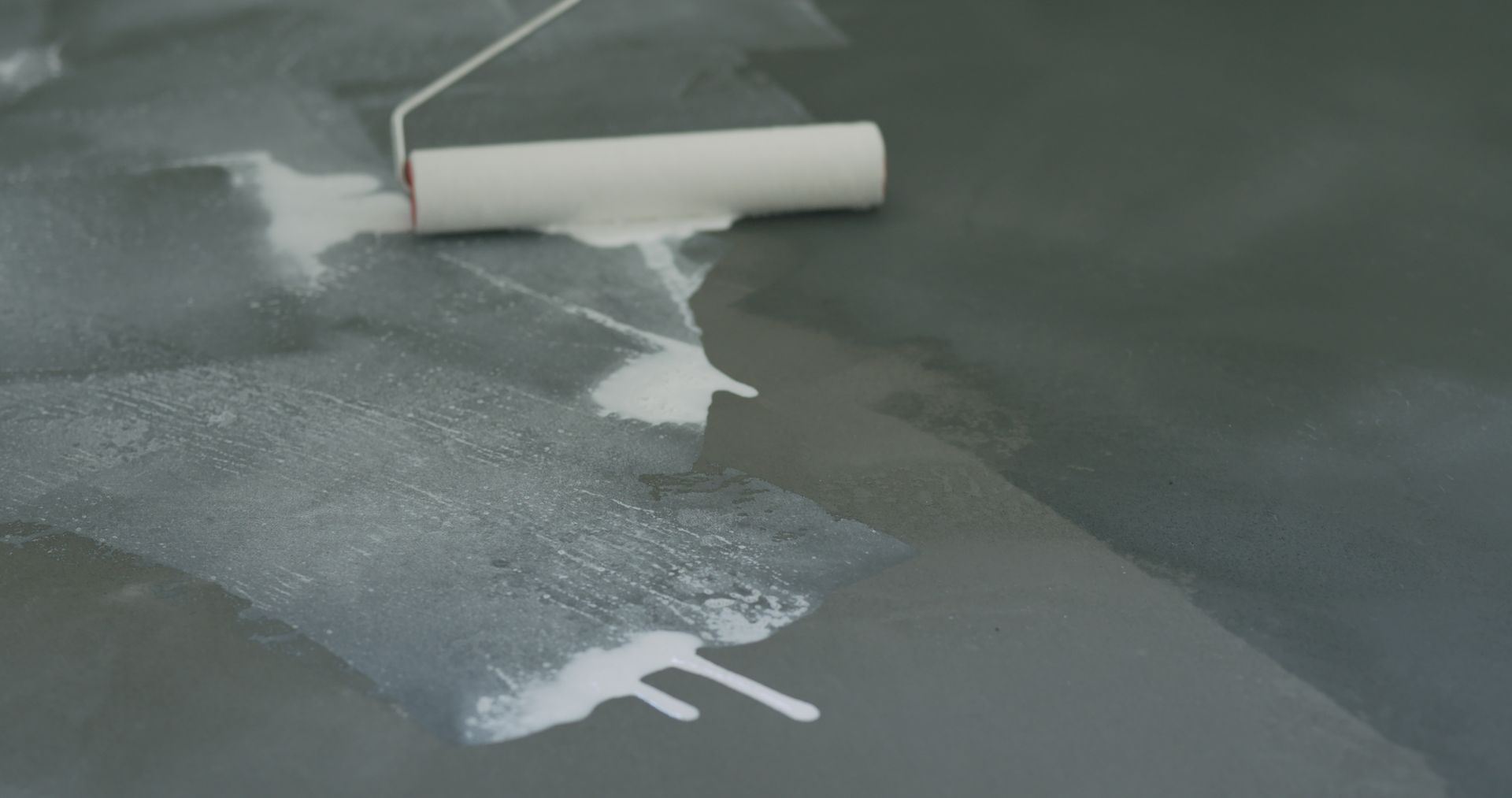
The sealing process begins with surface cleaning to remove efflorescence, organic growth, and previous sealer residue that would prevent new material from bonding or penetrating properly. Application method depends on sealer type, with penetrating sealers sprayed or rolled to saturate the surface and topical sealers applied in thin, even coats that cure into a protective layer. Resealing becomes necessary when water stops beading on the surface and begins soaking in, typically every two to four years depending on traffic and exposure.
Schedule a surface inspection to determine if existing sealer has degraded and what type of resealing approach your concrete requires.
What Proper Sealing Prevents Long-Term
Sealed concrete repels moisture that would otherwise soak into the slab and create freeze-thaw damage when temperatures drop and trapped water expands. The sealer also blocks UV radiation from breaking down the cement paste at the surface, which causes the chalky, powdery texture that appears on weathered driveways and walkways. For colored or stamped concrete, sealing maintains the pigment intensity and pattern definition that fade when UV light oxidizes the surface.
Property owners notice that sealed surfaces stay cleaner because oil, dirt, and organic matter sit on top of the sealer rather than absorbing into open concrete pores. Tire marks, leaf stains, and grease spots wash off with water instead of requiring chemical cleaners or pressure washing that erodes the surface. The sealer also reduces dusting on garage floors and warehouse slabs by binding surface particles that would otherwise wear loose and track into buildings.
Preventative maintenance plans include periodic resealing before the existing sealer fails completely, which is more cost-effective than allowing the concrete to weather and then requiring surface restoration before protection can be reapplied. Commercial properties benefit from scheduled resealing that maintains appearance standards and prevents liability issues from surface deterioration that creates trip hazards or drainage problems.
Answers to Sealing Service Questions
Homeowners and facility managers often want clarity on when sealing is needed, how long it lasts, and what changes they should expect after application.
What indicates that concrete needs sealing or resealing?
Water absorption testing shows if the surface is protected—if water soaks in rather than beading up within seconds, the sealer has worn away or was never applied.
How do penetrating sealers differ from topical film-forming sealers?
Penetrating sealers soak into the concrete and react chemically to create water repellency within the substrate, while topical sealers form a protective layer on the surface that also adds sheen and color enhancement.
When should driveways and patios in El Paso be resealed?
High UV exposure and temperature extremes typically degrade sealers within two to four years, but traffic levels and surface slope that affects water pooling also influence how quickly resealing becomes necessary.
Why does some sealed concrete turn white or peel?
Moisture vapor trapped beneath impermeable sealers causes blushing or delamination, which is why breathable sealers are used on slabs with high moisture content or inadequate vapor barriers beneath them.
What preparation is required before sealing new concrete?
New slabs must cure fully and be cleaned of curing compounds or surface contaminants that prevent sealer penetration, typically requiring at least 28 days after pour before sealing can proceed.
National Contracting Epoxy & Coatings offers preventative maintenance plans that schedule resealing based on your concrete's exposure and traffic patterns, extending surface lifespan and maintaining appearance. Contact us to arrange an evaluation of your current sealer condition and protection needs.